When selecting steel for manufacturing or engineering applications, una de las preguntas más comunes es: 鈥淚s cold rolled steel stronger than hot rolled steel?鈥?/strong>
The answer is yes 鈥?but with context. Cold rolling significantly changes the steel鈥檚 structure and surface, improving certain mechanical properties while also introducing trade-offs.
Let鈥檚 explore how cold rolling enhances steel鈥檚 strength and where it performs best.
1. What Does 鈥淐old Rolled鈥?Mean?
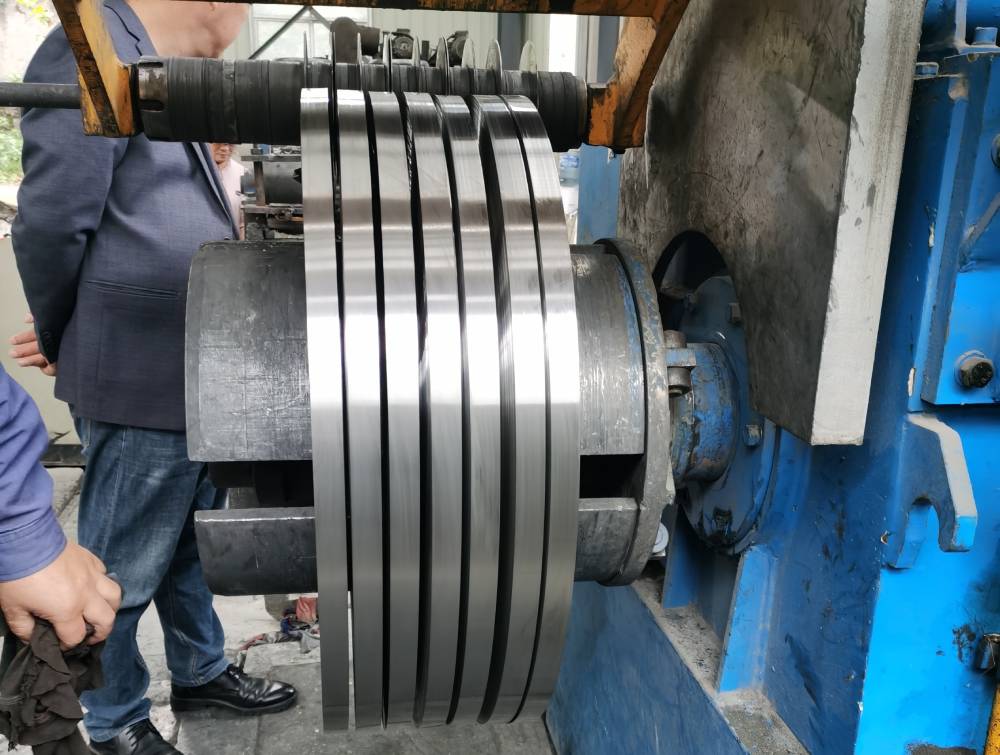
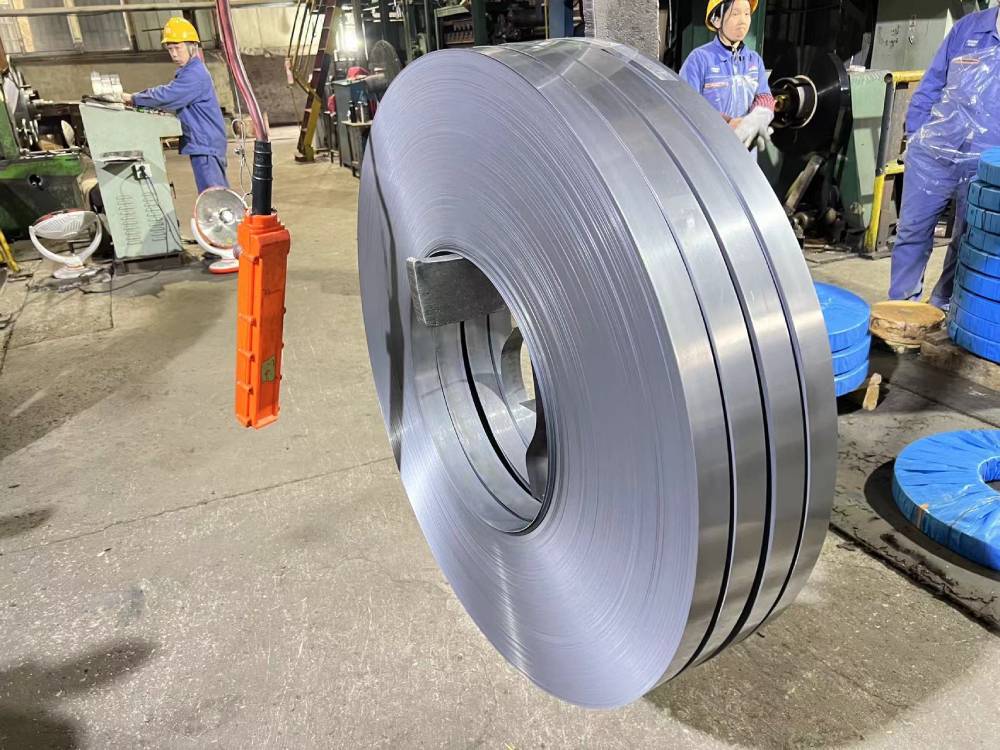
laminación en frío refers to the process of taking hot-rolled steel and further compressing it at room temperature using precision rollers.
Because it鈥檚 done below the recrystallization temperature, the steel鈥檚 grains are elongated and work-hardened 鈥?this is what makes it stronger and harder.
In other words, cold rolling = hot-rolled steel that has been strengthened through pressure and deformation.
2. ¿Por qué es más fuerte el acero enrollado en frío??
The increase in strength comes from strain hardening (also known as work hardening). During cold rolling, the steel鈥檚 internal structure becomes denser and more uniform.
Key reasons for higher strength:
- The grains are refined and aligned.
- Dislocations within the crystal structure increase, making it harder for atoms to move.
- The surface becomes smoother and more compact.
This results in a product with:
- Higher resistencia a la tracción
- Greater límite elástico
- Improved acabado superficial y dimensional accuracy
3. Comparison: Cold Rolled vs. Hot Rolled Strength
| Propiedad | Cold-Rolled Steel (CR) | Hot-Rolled Steel (HR) |
|---|---|---|
| Processing Temperature | Room temperature | Above 900掳C (1650掳F) |
| Resistencia a la tracción | Higher (work hardened) | Lower |
| Acabado superficial | Liso, glossy | Rough, scaled |
| Dimensional Accuracy | Excelente | Moderado |
| Formabilidad | Less ductile | More ductile |
? In general, cold-rolled steel is about 20% stronger than hot-rolled steel of the same grade, thanks to the cold working process.
4. Applications That Benefit from Higher Strength
Because of its strength and precision, acero laminado en frío is widely used in industries that demand both performance and appearance.
Typical applications include:
- Springs and blades 鈥?where hardness and elasticity are critical.
- Automotive parts 鈥?such as seat frames, paneles, and fasteners.
- Electrical components 鈥?that need precision thickness and smooth finish.
- Industrial tools 鈥?where edge strength and wear resistance matter.
En Buen acero, Suministramos cold-rolled and annealed steel strips in various grades (como 65Minnesota, SK5, y C75S), optimized for both fortaleza y formability, serving manufacturers across automotor, hardware, and cutting tool industries.
5. The Balance Between Strength and Formability
While cold rolling increases strength, it also reduces ductilidad 鈥?the ability to bend or stretch the steel without cracking.
To restore some flexibility, recocido (a heat treatment process) is often applied after cold rolling.
This is why you鈥檒l often see products labeled as 鈥渃old-rolled and annealed steel strips鈥?/strong> 鈥?they combine both fortaleza y workability.
6. Conclusión
Entonces, is cold rolled steel stronger?
鉁?Sí, cold-rolled steel offers higher tensile and yield strength than hot-rolled steel.
Sin embargo, the right choice depends on your application needs:
- Elegir acero laminado en frío when you need strength, precisión, and a smooth surface.
- Elegir hot-rolled steel when flexibility, costo, and large-scale forming are priorities.
If you need customized cold-rolled or annealed steel strips with precise thickness and mechanical properties, Buen acero can deliver the right material for your production line.